At a Glance

  • Service: Adult Orthodontics, full menu, with discreet options suited to client-facing careers
  • Serving: Atlantic Highlands, from First Avenue and the yacht harbor to the Mount Mitchill neighborhoods
  • New patients: yes; consultations are complimentary
  • Key differentiator: outcomes framed and planned around a professional's calendar, camera, and career
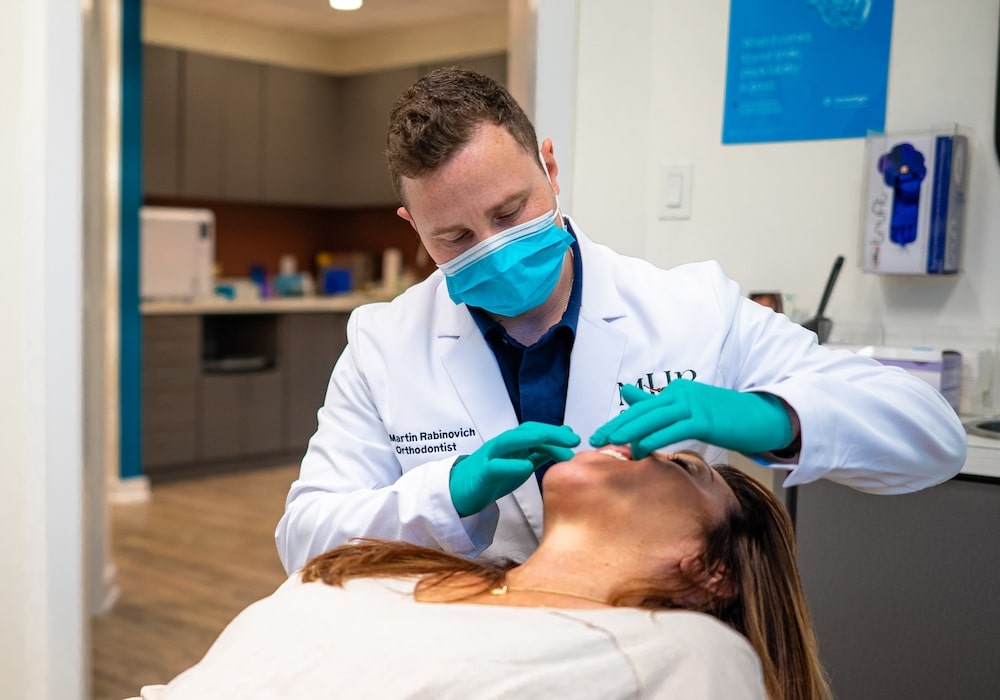
Atlantic Highlands professionals spend their careers being looked at: across conference tables, on weekly video calls, in the firm directory, at the client dinner that decides more than the deck did. A smile that gets consciously managed in those rooms is a quiet, recurring tax on presence, and the adults of this borough have been paying it in installments since before the ferry commute began. Adult orthodontics is the one-time buyout of that tax. This page prices what the buyout returns over a working career, honestly and without the sales gloss, because the professionals of this town can smell gloss across the bay.

What a Finished Smile Does at Work, Honestly

Strip the claim to what survives scrutiny. Research on appearance and perception consistently finds that people read even, healthy smiles as markers of confidence and care, and first impressions do weigh in client-facing work; nobody serious disputes the direction of the effect, and nobody honest promises its size. The mechanism you can actually bank is behavioral: adults who stop managing their smile stop spending attention on it, and attention is the professional's scarcest input. The photographed version compounds separately, since the directory headshot, the conference badge, and the deal-announcement photo all outlive the meeting they were taken for. The return is real; the honest framing is presence recovered, not promotions promised.

The Trajectory: Before, During, and After on Camera

Professionals want the whole arc disclosed, including the middle. Here it is. Early treatment often improves the front teeth first, since visible alignment is frequently sequenced early, so the on-camera trend line typically bends upward within months. Some cases pass through transitional phases where spaces open before they close or a tooth pauses mid-rotation; these read as subtle in person and on video, and if a specific movement will be noticeable, you hear that at the planning stage rather than learning it live on a call. With aligners or lingual hardware, the appliance itself never registers on camera at any phase. The arc ends where it was engineered to: a smile that photographs identically from every angle, permanently, which is the only phase with an audience anyway.

The Foundation for Finishing Work

For the professional planning a full presentation upgrade, alignment is the load-bearing step. Whitening lands evenly only on straightened teeth, since overlaps shadow the enamel behind them; bonding and veneers last longer and look better placed on teeth that meet correctly, because a corrected bite stops the edge-chipping forces that shorten cosmetic work's life; and your dentist's future restorative options widen when the underlying architecture is sound. Orthodontics first, finishing dentistry second is the sequence that makes each dollar of the second step work harder. The office coordinates that sequence with your dentist, city-based or local, so the camera-ready version gets built in the right order.

The Discreet Instruments

The route to the outcome respects the career it serves. Clear aligners, in Invisalign and Spark systems, run invisible through every meeting and come out for the client dinner; the Atlantic Highlands clear braces page of this site covers them fully. InBrace lingual braces hide fixed treatment completely, camera-proof at any range, for cases that need fixed control with zero visibility. Ceramic clear braces and LightForce 3D printed brackets serve the fixed cases where near-invisible suffices, and modern metal remains available for the adult who prizes efficiency over subtlety. Dr. Martin Rabinovich, a board-certified orthodontist, matches the instrument to the scan and to the calendar, in that order.

Candidacy for the Commuting Professional

The clinical gates are the adult standards: mild to moderate crowding, spacing, or long-settled drift treat routinely; gums must be stable before force applies; crowns and veneers ride with their teeth while implants anchor in place; severe rotations and major bite work steer toward the fixed end of the menu. The professional-specific screen is logistical honesty: a two-city week suits aligners only if the wear discipline travels, and the consultation weighs your actual routine before recommending. Checkpoints every 8 to 12 weeks book around ferry schedules, with Saturday coverage for the weeks that leave no daylight. One complimentary visit, scan included, settles the whole assessment.

Retention Between Two Cities

The outcome's warranty is retention, and it commutes well. Custom retainers work nightly at first, tapering toward maintenance, in whichever borough or city the night happens; a second retainer set for the crash-pad drawer is a reasonable ask for genuinely split weeks, and the pocket case rides beside the laptop either way. Adult bone consolidates around the corrected positions over the months after treatment, and the professionals who guard the habit keep the result for the rest of the career it was purchased to serve. The tax you retired stays retired on a maintenance budget of minutes per week.

Getting Here from Atlantic Highlands

From First Avenue where the Henry Hudson Trail crosses the borough, take Route 36 west toward Middletown, pick up Route 35 south, and follow it through Red Bank into Shrewsbury, where it runs as Broad Street. Turn right onto White Road; the office is at 20 White Rd Suite F with parking on site. Plan about 20 minutes from the harbor side, and note that morning slots run against the shore flow in season.

Directions(opens in new tab)

(opens in new tab)

Google Business Profile Listing(opens in new tab)

Meet Dr. Rabinovich: A Professional's Standards

dr rabinovich orthodontist shrewsbury monmouth county

Professionals extend trust to credentials that resemble their own diligence, so here is the file, briefly. Dr. Martin Rabinovich holds board certification from the American Board of Orthodontics, the voluntary examination credential a minority of practitioners complete. Rutgers School of Dental Medicine for the doctorate; the University of Colorado for the specialty residency in Orthodontics and Dentofacial Orthopedics and a research Master of Science in Dentistry; cleft and craniofacial casework through the Children's Hospital of Colorado for the pressure testing. The practice runs the way its patients run their own shops: visits start on time, plans arrive in writing, and one specialist owns every case end to end. Raised in Marlboro, he serves a borough of people who commute to demanding rooms, and his office is built not to add to their demands.

Adult Orthodontics

Atlantic Highlands Adult Orthodontics FAQs

Does a better smile measurably matter in client-facing work, or is that sales talk?

A: The honest version: perception research consistently links even, healthy smiles to impressions of confidence and competence, and first impressions carry weight in client work, but nobody can promise you a quantified career effect. The bankable return is behavioral, a smile you stop managing frees attention in every meeting, plus photographs that stop needing angles.

Is there a mid-treatment phase where teeth look worse before they look better?

A: Occasionally and briefly, and you will know in advance. Some plans open spaces before closing them or park a tooth mid-rotation between stages, effects that read as subtle in person and on video. The planning review flags any movement likely to be noticeable and when, so the arc holds no surprises for a face that works on camera.

Do whitening, bonding, or veneers pair with orthodontics for a final camera-ready result?

A: Yes, in that order: alignment first, finishing work second. Straightened teeth take whitening evenly, and bonding or veneers placed on a corrected bite last longer and look better because the destructive edge forces are gone. The office coordinates the sequence with your dentist so each step builds on the last.

I split my weeks between here and Manhattan. Does retention need anything special?

A: Only redundancy. Retainers work wherever the night happens, and split-week patients often keep a second set at the city residence so a forgotten case never costs wear time. The habit itself is minutes per night, travels in a pocket case, and holds the result identically in either zip code.

My firm directory headshots are due. Should I schedule them before, during, or after treatment?

A: If the date is movable, after, when the finished result photographs from every angle. If the date is fixed and treatment is underway, aligners and lingual hardware will not register on camera, and the front desk can time a tray change or adjustment so shoot week avoids the brief pressure phase. Tell the office the date and the calendar plans around it.

Got a question? We have answers.

Schedule Appointment
(732) 704-5474

Location &
Directions

Download & Complete New Patient Forms