

At a Glance
- Service: Adult Orthodontics, spanning modern metal, ceramic braces, clear aligners, lingual braces, and custom 3D printed brackets
- Serving: Colts Neck adults, from the Route 34 corridor to the Dorbrook Recreation Area side of Route 537
- New patients: yes; adult consultations are complimentary
- Key differentiator: case finishing planned by a research-trained, board-certified specialist who supervises every visit
The Return on a Straightened Smile
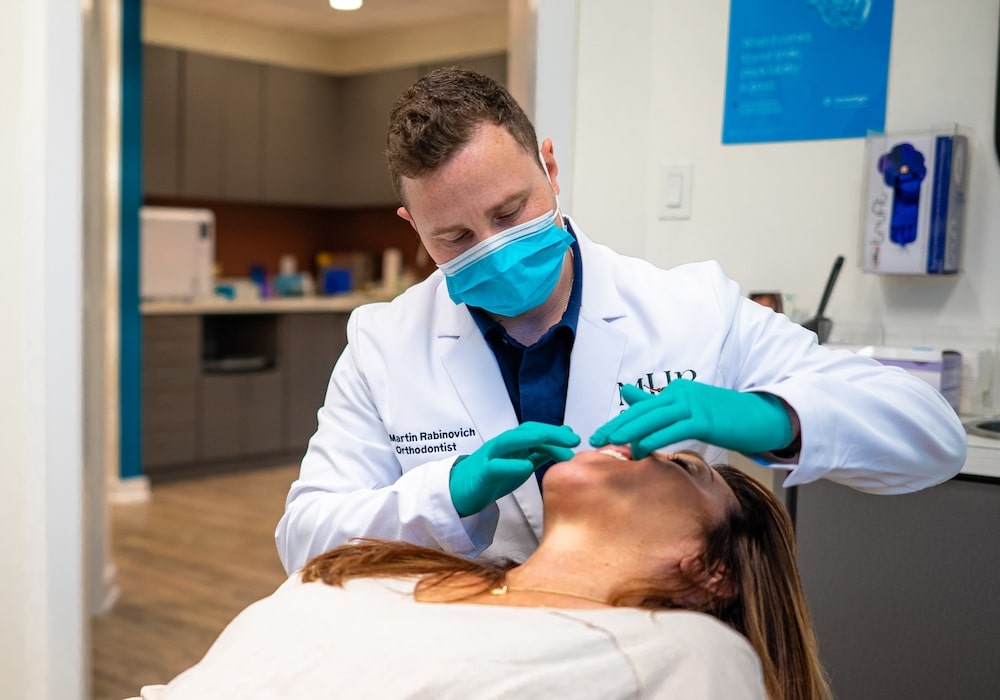
Start with the visible account. Aligned front teeth photograph consistently from every angle, which matters in a town where the social calendar runs through club dinners, fundraisers, and other people's cameras. The behavioral change arrives first: adults who spent decades smiling carefully begin smiling without managing it, usually within weeks of finishing treatment. Colleagues read the difference as energy rather than dentistry, which is precisely the point of discreet treatment. And unlike most appearance investments made in mid-life, this one does not depreciate; a properly retained orthodontic result looks the same at the twenty-year mark as it did at the reveal.

The Discreet Routes There
Every appliance category is available for the trip, and Colts Neck adults usually shortlist the quiet ones. Ceramic clear braces deliver fixed-appliance control through tooth-colored hardware that disappears at conversation distance. Clear aligners, in Invisalign and Spark systems, run nearly invisible and removable; the Colts Neck clear braces page on this site covers that route in full. InBrace lingual braces mount behind the teeth entirely, undetectable even to a camera at close range. Modern metal remains available for the complex case that wants efficiency over subtlety, and LightForce 3D printed brackets customize fixed treatment to the tooth. Dr. Rabinovich matches system to scan, and the recommendation explains itself in movement terms rather than marketing ones. Patients who arrive certain of their preferred appliance sometimes leave with it confirmed and sometimes leave better informed; either way the choice is theirs, made with the tradeoffs on the table.
Candidacy for the Established Smile
Adult mouths arrive with a portfolio: crowns, bridges, veneers, the occasional implant, and dental work from three decades of maintenance. Little of it blocks treatment. Crowned teeth move like natural teeth, veneers ride along with the teeth beneath them, and implants, which cannot move, get planned as fixed reference points. The genuine prerequisite is periodontal: stable gums and bone before force applies, coordinated with your general dentist where needed. Cases with severe rotations or major bite corrections steer toward fixed appliances, and adults whose issue is one drifted tooth sometimes qualify for short, limited treatment. The scan prices your actual case, and hearing it costs nothing.
What the Project Costs, Framed Properly
Colts Neck rarely asks the sticker question first, but the framing deserves one paragraph. Treatment fees follow complexity, duration, and appliance tier, with lingual options at the premium end and the written quote produced at a complimentary consultation before any commitment. Insurance enters where your plan's orthodontic language allows adult coverage, a clause the front desk reads before quoting, and FSA or HSA dollars apply alongside no-interest monthly plans. Priced against the alternatives adults actually buy in this town, the arithmetic flatters treatment: it costs less than a season of club dues, holds its value longer than any vehicle in the lot, and compounds instead of depreciating.
The Middle Months, Managed
Between the decision and the dividend sits an undemanding routine. Appliance-dependent specifics vary, but the rhythm holds: checkpoint visits every 8 to 12 weeks, minor pressure after adjustments or tray changes that fades within days, and daily hygiene that takes marginally more attention with fixed appliances and none extra with aligners. Most adult cases run 6 to 24 months by complexity and system. Afterward, custom retainers hold the result while bone consolidates, nightly at first and tapering to maintenance, the small recurring premium that keeps the asset from mean-reverting. Adults, having financed the project themselves, tend to be the best retainer patients in the building.
Meet Dr. Rabinovich: The Finisher
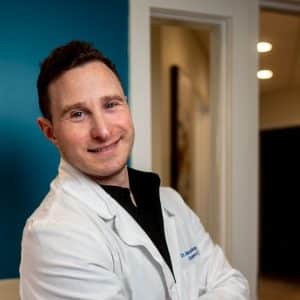
Outcomes live in the last millimeters, and finishing is a trained skill. Dr. Martin Rabinovich earned a Master of Science in Dentistry at the University of Colorado for clinical research conducted during his residency in Orthodontics and Dentofacial Orthopedics, a program whose caseload included cleft lip and palate and craniofacial patients through the Children's Hospital of Colorado, work where finishing tolerances are unforgiving. He returned to Monmouth County board certified by the American Board of Orthodontics and built a Shrewsbury practice where he personally plans and supervises every case at every visit. The difference between straight and finished is the difference adults notice in the mirror for the next thirty years, and it is the difference his training was built around.
Adult Orthodontics
Our Dental Services Include:
Colts Neck Adult Orthodontics FAQs
Will straightening my teeth change my face or profile?
A: Subtly, in some cases. Correcting significantly protruded or collapsed front teeth can soften how the lips rest, and closing a deep bite can slightly improve lower-face proportion. Most adult cases produce little facial change beyond the smile itself. The consultation shows you what your specific movements would and would not affect.
Is the gum-health benefit of straight teeth real or marketing?
A: Real, with a straightforward mechanism. Overlapped teeth create cleaning-resistant zones where plaque accumulates, and plaque drives gum inflammation and decay. Aligned teeth remove those zones, so daily hygiene actually reaches every surface. Straight teeth still require the hygiene; they just stop sabotaging it.
I have veneers on my two front teeth. Can you straighten the rest without disturbing them?
A: Usually, yes. Veneered teeth can move like any others, and plans are routinely built to protect existing cosmetic work, either moving veneered teeth carefully or working around them. Bring your cosmetic dentist's records to the consultation and the plan coordinates with the investment you have already made.
One tooth photographs crooked and the rest are fine. Is full treatment my only option?
A: No. Limited treatment exists for exactly this case: a short appliance course, sometimes only months long, that corrects an isolated drifted tooth without re-treating the whole arch. The scan determines what that tooth's neighbors will tolerate, and the quote scales to the actual scope.
Does chewing genuinely improve after alignment, or is that overstated?
A: It improves when the starting bite was the problem. Teeth that meet properly break food down more efficiently and stop overloading the few teeth that previously did all the work. Adults with long-standing bite discrepancies often notice the difference within weeks of finishing; adults whose bite was already functional mainly gain the hygiene and cosmetic benefits.
Got a question? We have answers.
Follow us on social media!
